Concrete Patio: Repair Services
Your Go-To Guide for Concrete Companies: Driveway, Patio, and Repair Services
When evaluating concrete services for driveway, patio, or repair work, it is essential to review potential companies diligently. Their experience, portfolio, and customer feedback can demonstrate valuable insights about their dependability. Additionally, understanding the various types of concrete and what each company presents can assist in making an informed decision. However, knowing how to make the right choice isn't always easy, and there are important aspects that could affect the outcome of the project significantly.
Understanding Various Types of Concrete
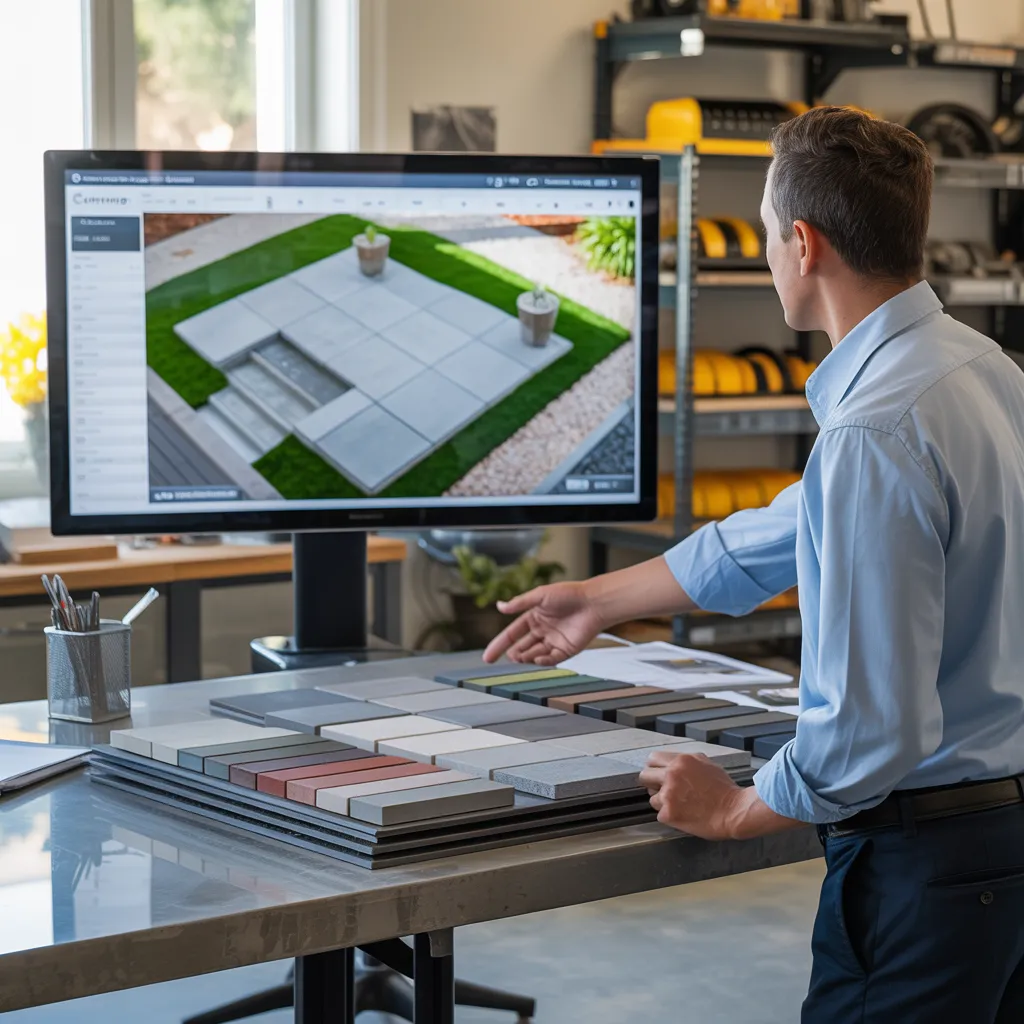
What distinguishes one type of concrete from another? The variations primarily stem from the mix of materials used, intended application, and specific properties needed for performance. Standard concrete, commonly used for sidewalks and foundations, consists of cement, water, and aggregates. Its durability makes it ideal for structural purposes. In contrast, decorative concrete incorporates additives and surface treatments, improving aesthetic appeal for patios and driveways. High-strength concrete, designed with a higher cement-to-water ratio, presents exceptional load-bearing capabilities, ideal for commercial buildings and bridges. Another variant, lightweight concrete, features expanded aggregates, reducing weight while preserving strength, making it ideal for precast elements. Finally, pervious concrete permits water to permeate, facilitating drainage and reducing runoff. Each type serves specific functions, underscoring the importance of understanding concrete variations for successful application in construction and design.
Picking the Best Concrete Company
While choosing a concrete company, it is important to evaluate their experience and expertise in the industry. Furthermore, reviewing pricing and services available by multiple providers can help ensure a good fit for particular project needs. Making informed decisions can result in successful outcomes and favorable results.
Assessing Experience and Expertise
Choosing the right concrete company copyrights on assessing their experience and expertise. Potential clients should search for companies with a demonstrated history in concrete installation and repair, as this often indicates their ability to handle various projects effectively. It is essential to question the years of operation and the qualifications of their team members. Certifications and training can show a commitment to industry standards. Furthermore, reviewing portfolios of previous work permits clients to evaluate craftsmanship and style. Customer testimonials and references provide insight into reliability and professionalism. Ultimately, a company's experience and expertise can greatly influence the quality of the final product, guaranteeing that the investment in concrete work fulfills expectations and stands the test of time.
Comparing Costs and Services
How can prospective clients determine the best value for their concrete needs? To make an informed decision, clients should obtain detailed quotes from multiple concrete companies. These quotes should outline not only the cost but also the specific services included, such as materials used, labor charges, and any additional fees. Examining these elements allows clients to judge the overall value rather than just the price. Clients should also consider the company's reputation, warranty offerings, and customer reviews. Engaging in direct conversations with companies can clarify any uncertainties and reveal their willingness to accommodate specific requests. Ultimately, a balanced consideration of pricing and services will lead to selecting the most suitable concrete company for individual projects.
Driveway Installation: What to Expect
Which factors shape the process of driveway installation? Various key elements are involved, including the variety of materials used, the size and design of the driveway, and area weather conditions. Homeowners must first assess their particular needs, such as durability and aesthetics, which influence material choices like concrete, asphalt, or pavers.
Next, appropriate site preparation is essential. This encompasses grading and compacting the soil to guarantee stability. The installation timeline can differ, often based on weather; for instance, rain can postpone concrete curing.
During the installation phase, skilled concrete companies will normally pour the material, guaranteeing adequate thickness and drainage. Property owners can anticipate the procedure lasting one to three days, based on the intricacy and dimensions. Lastly, the curing period is crucial; concrete might need several days before vehicles can use it, ensuring durability and performance.
Planning Your Ultimate Patio
When imagining a perfect patio, homeowners should consider their lifestyle and the intended use of the space. A carefully crafted patio works as an extension of the home, creating an area for unwinding, entertaining, and enjoying the outdoors. Key factors to evaluate include size, layout, and materials. For compact areas, a comfortable, personal design with comfortable seating can create an inviting atmosphere. On the other hand, larger patios can accommodate alfresco dining areas and outdoor kitchens, enhancing social gatherings.
Choosing long-lasting materials is crucial for long-term performance and maintenance. Concrete, for example, provides adaptability in design and can replicate the look of natural stone or wood. Additionally, incorporating vegetation through planters or surrounding landscapes can soften hard surfaces and create a balanced environment. Lighting plays an important role as well, with options ranging from ambient string lights to functional fixtures, ensuring the space remains functional during evening hours. In the end, considered design can transform a patio into a personal oasis.
Popular Concrete Repair Options
Concrete surfaces may experience problems as time passes, demanding reliable repair solutions to restore their integrity and appearance. Common repair methods include crack sealing, where specialized materials close and seal cracks to stop further damage. Patching involves applying a concrete mix to deteriorated areas, successfully smoothing out imperfections. For more severe damage, resurfacing can restore the entire surface, creating a renewed layer that improves both appearance and longevity.
Another approach is mudjacking, which elevates sunken concrete slabs by pumping a mixture of cement and soil beneath them. This process helps restore uneven surfaces, ensuring safety and functionality. Finally, concrete overlays can provide a decorative finish while strengthening the existing structure. All of these approaches resolves specific problems and can enhance the lifespan of concrete surfaces, making them essential for homeowners and businesses seeking to maintain their properties effectively.
Upkeep Recommendations for Extended Life
To ensure the longevity of concrete surfaces, maintaining a consistent maintenance routine is crucial. Routine cleaning is essential; removing dirt, debris, and stains stops deterioration. A soft power wash or a basic scrub with soap and water can copyright both appearance and structural integrity.
Applying sealant to concrete surfaces every couple of years protects against moisture and chemical damage. This barrier assists in preventing cracking and improves durability. Furthermore, addressing minor cracks promptly with appropriate sealants can prevent them from worsening and creating costly repairs.
Maintaining your surface seasonally is equally crucial. In winter, using non-corrosive de-icers safeguards against freeze-thaw cycles, while summer months should concentrate on limiting harsh sun exposure using shade or protective sealants.
Ultimately, consistent examinations for evidence of wear or damage facilitate prompt interventions, making certain that concrete surfaces continue to be usable and visually appealing for extended periods to come.
Popular Questions
What's the Required Curing Duration for Concrete Before Using?
Concrete usually needs around 28 days to reach full cure before it can be used effectively. Nevertheless, the initial set happens within a few hours, allowing light foot traffic after around 24 to 48 hours, subject to weather conditions.
Is Pouring Concrete in Cold Weather Feasible?
Cold weather concrete pouring is achievable, though proper precautions are necessary. The use of heated materials, concrete additives, and insulating blankets helps guarantee correct curing and structural integrity, eliminating cracks and various issues linked to freezing conditions.
What's the Price per Square Foot for Concrete?
The price per square foot for concrete usually falls from $3 to try now $10, influenced by factors such as the type of concrete, location, and complexity of the project. Additional features, for example stamping or coloring, can raise total costs.
Are Environmentally Friendly Concrete Alternatives Available?
Sustainable concrete options are readily available, including fly ash, recycled aggregates, and alternative binding materials. These materials lower environmental harm by decreasing waste production and cutting carbon emissions, delivering sustainable choices for construction work and renovation endeavors.
How Do I Choose the Right Concrete Finish?
To select the right concrete finish, you should think about visual appeal, durability specifications, slip resistance, and maintenance requirements. Speaking with professionals and evaluating sample finishes can also support making an informed decision.